Buy zxa.eu ?
We are moving the project
zxa.eu .
Are you interested in purchasing the domain
zxa.eu ?
domain@kv-gmbh.de · 0541-91531010
Buy zxa.eu ?
Why can't winter have blue leaves?
Winter can't have blue leaves because the color of leaves is determined by the presence of chlorophyll, which gives them their green color. In winter, the chlorophyll breaks down and the other pigments in the leaves, such as carotenoids and anthocyanins, become more visible, giving the leaves their yellow, orange, and red hues. Blue pigments are not typically present in leaves, so they cannot turn blue in the winter. **
How can one propagate cuttings of the Blue Paul vine with small leaves?
To propagate cuttings of the Blue Paul vine with small leaves, you can start by taking a cutting from a healthy, mature plant. Make sure the cutting has at least one node, which is where the roots will develop. Remove any lower leaves to expose the node, then dip the cut end in rooting hormone to encourage root growth. Plant the cutting in a well-draining soil mix, keep it consistently moist, and place it in a warm, humid environment with indirect sunlight. With proper care and attention, the cutting should develop roots and eventually grow into a new Blue Paul vine plant. **


Similar search terms for Chesapeake-Pinnate-Blue-Leaves
Top-Angebote
Products related to Chesapeake-Pinnate-Blue-Leaves:
-
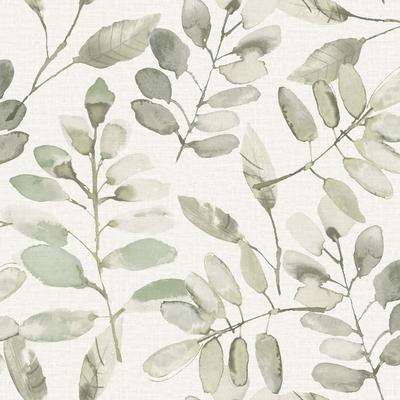
Chesapeake Pinnate Salmon Leaves WallpaperBring the outdoors in with this serene botanical design featuring lush fronds inked in soft shades of pink, mauve, grey, and beige watercolors against a cream backdrop imbued with a loose, linen weave.102,00 $*Shipping: 0,00 $Secure redirect to the provider


-
How can one propagate cuttings of the Blue Paul plant with small leaves?
To propagate cuttings of the Blue Paul plant with small leaves, you can start by taking 4-6 inch cuttings from the healthy, non-flowering stems of the plant. Remove the lower leaves from the cuttings and dip the cut ends in a rooting hormone to encourage root development. Plant the cuttings in a well-draining potting mix and keep them in a warm, humid environment with indirect light. Mist the cuttings regularly to keep the soil moist and encourage root growth. After a few weeks, the cuttings should develop roots and can be transplanted into individual pots. **
-
Does my oleander have bright to silvery blue leaves, even the brand new ones?
Oleander plants typically have dark green leaves, so if your oleander has bright to silvery blue leaves, especially on the new growth, it may indicate a nutrient deficiency or a pest infestation. It's important to inspect the plant for any signs of pests or disease and to ensure that it is receiving the proper nutrients and care. If the issue persists, it may be helpful to consult with a gardening expert or horticulturist for further guidance. **
-
Do my oleander have bright to silvery blue leaves, even the brand new ones?
No, oleander plants typically have dark green leaves, not bright to silvery blue. The new leaves may appear lighter in color, but they will still be a shade of green. If your oleander has bright to silvery blue leaves, it may be a different plant species or variety. **
-
Are walking leaves allowed to eat raspberry leaves?
Walking leaves, also known as leaf insects, are herbivorous and primarily feed on the leaves of certain plants. Raspberry leaves are safe for them to eat and can be a part of their diet. However, it's important to ensure that the raspberry leaves are free from any pesticides or chemicals that could be harmful to the walking leaves. Additionally, it's always a good idea to provide a varied diet for walking leaves to ensure they receive all the necessary nutrients. **


What kind of tech gadgets can I wish for Christmas?
There are a variety of tech gadgets you can wish for Christmas, depending on your interests and needs. Some popular options include smartphones, tablets, smartwatches, wireless headphones, gaming consoles, and smart home devices like smart speakers or security cameras. Consider what would enhance your daily life or hobbies, and make a wish list based on that. **
Do sun leaves or shade leaves have more chlorophyll?
Sun leaves have more chlorophyll compared to shade leaves. This is because sun leaves are exposed to higher light intensity and need more chlorophyll to capture and convert light energy into chemical energy through photosynthesis. Shade leaves, on the other hand, receive less light and therefore have less chlorophyll to optimize their photosynthetic efficiency in low light conditions. **
Top-Angebote
Products related to Chesapeake-Pinnate-Blue-Leaves:
-
Chesapeake Pinnate Salmon Leaves WallpaperBring the outdoors in with this serene botanical design featuring lush fronds inked in soft shades of pink, mauve, grey, and beige watercolors against a cream backdrop imbued with a loose, linen weave.102,00 $*Shipping: 0,00 $Secure redirect to the provider
-
Why can't winter have blue leaves?
Winter can't have blue leaves because the color of leaves is determined by the presence of chlorophyll, which gives them their green color. In winter, the chlorophyll breaks down and the other pigments in the leaves, such as carotenoids and anthocyanins, become more visible, giving the leaves their yellow, orange, and red hues. Blue pigments are not typically present in leaves, so they cannot turn blue in the winter. **
-
How can one propagate cuttings of the Blue Paul vine with small leaves?
To propagate cuttings of the Blue Paul vine with small leaves, you can start by taking a cutting from a healthy, mature plant. Make sure the cutting has at least one node, which is where the roots will develop. Remove any lower leaves to expose the node, then dip the cut end in rooting hormone to encourage root growth. Plant the cutting in a well-draining soil mix, keep it consistently moist, and place it in a warm, humid environment with indirect sunlight. With proper care and attention, the cutting should develop roots and eventually grow into a new Blue Paul vine plant. **
-
How can one propagate cuttings of the Blue Paul plant with small leaves?
To propagate cuttings of the Blue Paul plant with small leaves, you can start by taking 4-6 inch cuttings from the healthy, non-flowering stems of the plant. Remove the lower leaves from the cuttings and dip the cut ends in a rooting hormone to encourage root development. Plant the cuttings in a well-draining potting mix and keep them in a warm, humid environment with indirect light. Mist the cuttings regularly to keep the soil moist and encourage root growth. After a few weeks, the cuttings should develop roots and can be transplanted into individual pots. **
-
Does my oleander have bright to silvery blue leaves, even the brand new ones?
Oleander plants typically have dark green leaves, so if your oleander has bright to silvery blue leaves, especially on the new growth, it may indicate a nutrient deficiency or a pest infestation. It's important to inspect the plant for any signs of pests or disease and to ensure that it is receiving the proper nutrients and care. If the issue persists, it may be helpful to consult with a gardening expert or horticulturist for further guidance. **
Similar search terms for Chesapeake-Pinnate-Blue-Leaves
-
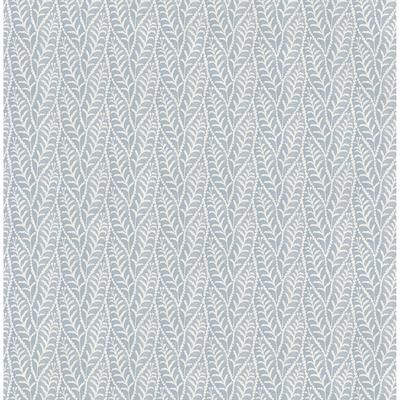
Chesapeake Madras Blue Plaid WallpaperClassic plaid is given a refresh in this comforting wallpaper. Thin lines of light and dark blue alternate between being loosely strung and densely packed along a white backdrop. Madras is a prepasted, sure strip wallpaper.90,00 $*Shipping: 0,00 $Secure redirect to the provider
-
Do my oleander have bright to silvery blue leaves, even the brand new ones?
No, oleander plants typically have dark green leaves, not bright to silvery blue. The new leaves may appear lighter in color, but they will still be a shade of green. If your oleander has bright to silvery blue leaves, it may be a different plant species or variety. **
-
Are walking leaves allowed to eat raspberry leaves?
Walking leaves, also known as leaf insects, are herbivorous and primarily feed on the leaves of certain plants. Raspberry leaves are safe for them to eat and can be a part of their diet. However, it's important to ensure that the raspberry leaves are free from any pesticides or chemicals that could be harmful to the walking leaves. Additionally, it's always a good idea to provide a varied diet for walking leaves to ensure they receive all the necessary nutrients. **
-
What kind of tech gadgets can I wish for Christmas?
There are a variety of tech gadgets you can wish for Christmas, depending on your interests and needs. Some popular options include smartphones, tablets, smartwatches, wireless headphones, gaming consoles, and smart home devices like smart speakers or security cameras. Consider what would enhance your daily life or hobbies, and make a wish list based on that. **
-
Do sun leaves or shade leaves have more chlorophyll?
Sun leaves have more chlorophyll compared to shade leaves. This is because sun leaves are exposed to higher light intensity and need more chlorophyll to capture and convert light energy into chemical energy through photosynthesis. Shade leaves, on the other hand, receive less light and therefore have less chlorophyll to optimize their photosynthetic efficiency in low light conditions. **
* All prices are inclusive of VAT and, if applicable, plus shipping costs. The offer information is based on the details provided by the respective shop and is updated through automated processes. Real-time updates do not occur, so deviations can occur in individual cases. ** Note: Parts of this content were created by AI.