Buy zxa.eu ?
We are moving the project
zxa.eu .
Are you interested in purchasing the domain
zxa.eu ?
domain@kv-gmbh.de · 0541-91531010
Buy zxa.eu ?
Why is there gasoline in the crankcase of the Jetforce C-Tech scooter?
Gasoline in the crankcase of the Jetforce C-Tech scooter could be due to a variety of reasons, such as a leaking fuel injector, a faulty fuel pump, or an issue with the carburetor. When these components malfunction, excess gasoline can leak into the crankcase, contaminating the engine oil. This can lead to poor engine performance, increased wear and tear on engine components, and potential safety hazards. Regular maintenance and prompt repairs are essential to prevent gasoline from entering the crankcase and ensure the scooter operates smoothly. **
Why is there gasoline in the crankcase of the Roller Jetforce C-Tech?
Gasoline in the crankcase of the Roller Jetforce C-Tech could be due to a few reasons. One possibility is that there is a problem with the fuel system, such as a leaking fuel injector or a faulty fuel pump, causing gasoline to leak into the crankcase. Another reason could be an issue with the piston rings or cylinder walls, allowing gasoline to seep past and mix with the engine oil. It is important to address this issue promptly as it can lead to engine damage and decreased performance. **

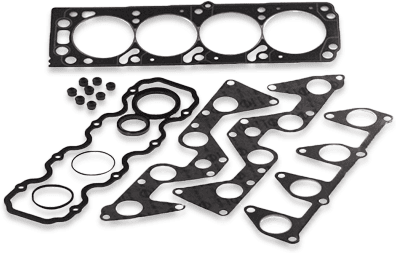
Similar search terms for AJUSA-54009200-Crankcase-gasket
Top-Angebote
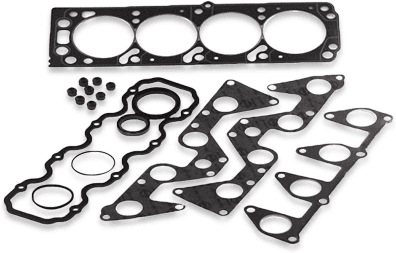
Products related to AJUSA-54009200-Crankcase-gasket:
-
AJUSA 54089700 Crankcase gasket setWeight [g]: 18,343; TecDoc Engine Number: 19306, 16399, 24592, 16398, 9769, 11168, 17398, 12788, 17890, 15510, 15831, 16397, 19307, 16382, 18916, 20246, 18313, 16409, 18309, 17981, 18312, 18078, 18291, 17980, 18318, 20245, 18316, 18084, 20238, 18929, 18451, 20727, 20933, 18943, 18944, 18844, 19061, 19308, 20109, 24643; Construction Year from: 01/2000, 01/2006; Construction Year to: 12/2002, 12/2010; Engine Number from: 17180895; Vehicle type: DOBLO, MULTIPLA JTD42,99 £*Shipping: 8,45 £Secure redirect to the provider
-
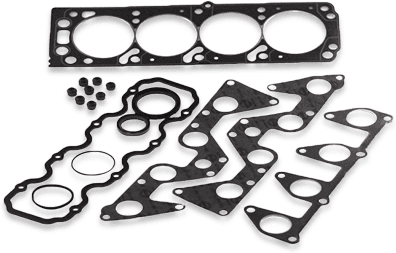
AJUSA 54091500 Crankcase gasket setWeight [g]: 262,50; Construction Year from: 08/1994, 02/1999; Engine Number from: 4AS025715, 8DT076000, 8CS025820, 8CS025821, 8DT076001; TecDoc Engine Number: 224, 231, 10813, 239; Vehicle Identification Number (VIN) from: 4D-T003801, 8B-T002001, 4DT003801, 8BT002001; Construction Year to: 10/1994, 12/1995, 07/1997, 06/199660,99 £*Shipping: 8,45 £Secure redirect to the provider

-
How is negative pressure created in the crankcase?
Negative pressure is created in the crankcase of an engine through the process of crankcase ventilation. This system allows blow-by gases, which are a mixture of air, fuel, and exhaust gases that escape past the piston rings during combustion, to be vented out of the crankcase. As these gases are expelled, they create a vacuum effect within the crankcase, resulting in negative pressure. This negative pressure helps to improve engine performance by reducing internal air pressure and preventing oil leaks. **
-
What type of gasket should be used: rubber gasket or fiber ring?
The choice between a rubber gasket and a fiber ring depends on the specific application and requirements. Rubber gaskets are typically more flexible and provide a better seal against liquids and gases, making them suitable for applications where a tight seal is crucial. On the other hand, fiber rings are more rigid and can withstand higher temperatures, making them ideal for applications where heat resistance is important. Ultimately, the decision should be based on the specific needs of the project and the conditions the gasket will be exposed to. **
-
What is a stove gasket?
A stove gasket is a heat-resistant material that is used to create a seal between the stove door and the stove body. It is typically made of fiberglass or rope and is designed to prevent heat and smoke from escaping the stove, as well as to keep air from entering the stove. The gasket helps to maintain the efficiency and safety of the stove by ensuring that it operates at the proper temperature and that no harmful gases are released into the surrounding area. **
-
What is a moped foot gasket?
A moped foot gasket is a rubber or foam seal that is placed between the footrest and the frame of a moped. It helps to reduce vibrations and noise, as well as provide a cushioned surface for the rider's feet. The foot gasket also helps to prevent water and debris from entering the frame, which can help prolong the life of the moped. **


What is a cylinder head gasket?
A cylinder head gasket is a critical component of an internal combustion engine. It is a thin, flat seal that is placed between the engine block and the cylinder head to prevent leakage of oil, coolant, and combustion gases. The gasket also helps to maintain the compression within the cylinders and ensures that the engine operates efficiently. It is typically made of metal or composite materials and must be able to withstand high temperatures and pressures. If the cylinder head gasket fails, it can lead to engine overheating, loss of power, and potential damage to the engine. **
Are these pipes sealed without a gasket?
Yes, these pipes are sealed without a gasket. The pipes are designed to fit together snugly without the need for an additional gasket to create a watertight seal. This type of connection is often used in plumbing systems where a gasket-free seal is preferred for simplicity and reliability. **
Top-Angebote
Products related to AJUSA-54009200-Crankcase-gasket:
-
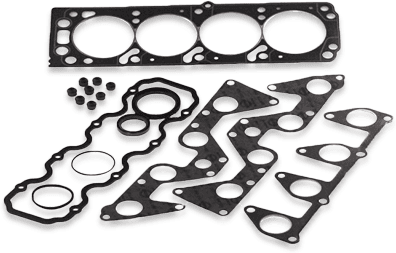
AJUSA 54011100 Crankcase gasket setWeight [g]: 135,47; TecDoc Engine Number: 85, 45011, 83, 47473, 78, 47467, 93, 80, 47469, 10129, 96, 89, 4186, 91, 110, 120, 109, 111, 115, 87, 100, 5335, 47454, 84, 47474, 122, 121, 123, 6373, 114, 117, 116, 108, 113; Construction Year from: 01/1981, 06/1984, 01/1988; Construction Year to: 01/198430,49 £*Shipping: 8,45 £Secure redirect to the provider
-
Why is there gasoline in the crankcase of the Jetforce C-Tech scooter?
Gasoline in the crankcase of the Jetforce C-Tech scooter could be due to a variety of reasons, such as a leaking fuel injector, a faulty fuel pump, or an issue with the carburetor. When these components malfunction, excess gasoline can leak into the crankcase, contaminating the engine oil. This can lead to poor engine performance, increased wear and tear on engine components, and potential safety hazards. Regular maintenance and prompt repairs are essential to prevent gasoline from entering the crankcase and ensure the scooter operates smoothly. **
-
Why is there gasoline in the crankcase of the Roller Jetforce C-Tech?
Gasoline in the crankcase of the Roller Jetforce C-Tech could be due to a few reasons. One possibility is that there is a problem with the fuel system, such as a leaking fuel injector or a faulty fuel pump, causing gasoline to leak into the crankcase. Another reason could be an issue with the piston rings or cylinder walls, allowing gasoline to seep past and mix with the engine oil. It is important to address this issue promptly as it can lead to engine damage and decreased performance. **
-
How is negative pressure created in the crankcase?
Negative pressure is created in the crankcase of an engine through the process of crankcase ventilation. This system allows blow-by gases, which are a mixture of air, fuel, and exhaust gases that escape past the piston rings during combustion, to be vented out of the crankcase. As these gases are expelled, they create a vacuum effect within the crankcase, resulting in negative pressure. This negative pressure helps to improve engine performance by reducing internal air pressure and preventing oil leaks. **
-
What type of gasket should be used: rubber gasket or fiber ring?
The choice between a rubber gasket and a fiber ring depends on the specific application and requirements. Rubber gaskets are typically more flexible and provide a better seal against liquids and gases, making them suitable for applications where a tight seal is crucial. On the other hand, fiber rings are more rigid and can withstand higher temperatures, making them ideal for applications where heat resistance is important. Ultimately, the decision should be based on the specific needs of the project and the conditions the gasket will be exposed to. **
Similar search terms for AJUSA-54009200-Crankcase-gasket
-
AJUSA 54089700 Crankcase gasket setWeight [g]: 18,343; TecDoc Engine Number: 19306, 16399, 24592, 16398, 9769, 11168, 17398, 12788, 17890, 15510, 15831, 16397, 19307, 16382, 18916, 20246, 18313, 16409, 18309, 17981, 18312, 18078, 18291, 17980, 18318, 20245, 18316, 18084, 20238, 18929, 18451, 20727, 20933, 18943, 18944, 18844, 19061, 19308, 20109, 24643; Construction Year from: 01/2000, 01/2006; Construction Year to: 12/2002, 12/2010; Engine Number from: 17180895; Vehicle type: DOBLO, MULTIPLA JTD42,99 £*Shipping: 8,45 £Secure redirect to the provider
-
AJUSA 54091500 Crankcase gasket setWeight [g]: 262,50; Construction Year from: 08/1994, 02/1999; Engine Number from: 4AS025715, 8DT076000, 8CS025820, 8CS025821, 8DT076001; TecDoc Engine Number: 224, 231, 10813, 239; Vehicle Identification Number (VIN) from: 4D-T003801, 8B-T002001, 4DT003801, 8BT002001; Construction Year to: 10/1994, 12/1995, 07/1997, 06/199660,99 £*Shipping: 8,45 £Secure redirect to the provider
-
What is a stove gasket?
A stove gasket is a heat-resistant material that is used to create a seal between the stove door and the stove body. It is typically made of fiberglass or rope and is designed to prevent heat and smoke from escaping the stove, as well as to keep air from entering the stove. The gasket helps to maintain the efficiency and safety of the stove by ensuring that it operates at the proper temperature and that no harmful gases are released into the surrounding area. **
-
What is a moped foot gasket?
A moped foot gasket is a rubber or foam seal that is placed between the footrest and the frame of a moped. It helps to reduce vibrations and noise, as well as provide a cushioned surface for the rider's feet. The foot gasket also helps to prevent water and debris from entering the frame, which can help prolong the life of the moped. **
-
What is a cylinder head gasket?
A cylinder head gasket is a critical component of an internal combustion engine. It is a thin, flat seal that is placed between the engine block and the cylinder head to prevent leakage of oil, coolant, and combustion gases. The gasket also helps to maintain the compression within the cylinders and ensures that the engine operates efficiently. It is typically made of metal or composite materials and must be able to withstand high temperatures and pressures. If the cylinder head gasket fails, it can lead to engine overheating, loss of power, and potential damage to the engine. **
-
Are these pipes sealed without a gasket?
Yes, these pipes are sealed without a gasket. The pipes are designed to fit together snugly without the need for an additional gasket to create a watertight seal. This type of connection is often used in plumbing systems where a gasket-free seal is preferred for simplicity and reliability. **
* All prices are inclusive of VAT and, if applicable, plus shipping costs. The offer information is based on the details provided by the respective shop and is updated through automated processes. Real-time updates do not occur, so deviations can occur in individual cases. ** Note: Parts of this content were created by AI.