Buy zxa.eu ?
We are moving the project
zxa.eu .
Are you interested in purchasing the domain
zxa.eu ?
domain@kv-gmbh.de · 0541-91531010
Buy zxa.eu ?
Why is hydration exothermic?
Hydration is exothermic because when water molecules surround and bond with ions or molecules, energy is released in the form of heat. This is because the new bonds formed between the water molecules and the solute are stronger than the original bonds in the solute. As a result, energy is released during the hydration process, making it exothermic. **
How much is a sip?
The amount considered to be a sip can vary depending on the context. In general, a sip is a small amount of liquid that can be comfortably consumed in one mouthful. It is typically less than a mouthful and is often used to taste or sample a drink rather than to quench thirst. The size of a sip can also be influenced by cultural norms and personal preferences. **
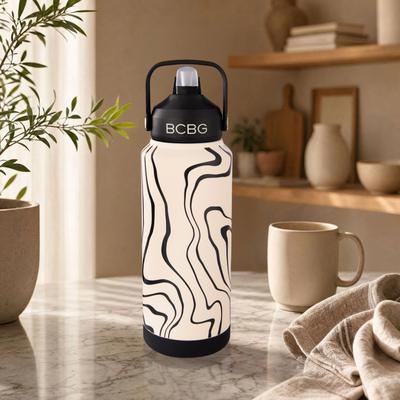

Similar search terms for BCBG-Signature-Sip-Hydration
Top-Angebote
Products related to BCBG-Signature-Sip-Hydration:
-
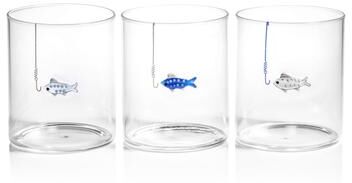
Zodax Tidal Sip Glass Tumblers, 3-Piece Assorted SetAdd a touch of whimsical charm to your glassware collection with the Tidal Sip Glass Tumblers. This three-piece assorted set features clear-finish glass adorned with solid color fish decals, creating a playful yet elegant design.63,75 $*Shipping: 0,00 $Secure redirect to the provider


-
What is physico-chemical hydration weathering?
Physico-chemical hydration weathering is a type of weathering process that occurs when minerals in rocks react with water molecules, leading to the breakdown of the rock. This process involves both physical and chemical changes in the rock structure, as the minerals absorb water and undergo chemical reactions that weaken the rock. Over time, this weathering process can cause the rock to disintegrate and break apart, ultimately leading to the formation of sediment. **
-
What is physical-chemical hydration weathering?
Physical-chemical hydration weathering is a type of weathering process that occurs when minerals in rocks react with water molecules to form new minerals. This process involves both physical and chemical changes, as the minerals absorb water and undergo chemical reactions that weaken the rock structure. Over time, this hydration process can lead to the expansion and eventual breakdown of the rock, contributing to erosion and the formation of sediment. **
-
Does sodium have a hydration shell?
Yes, sodium does have a hydration shell. When sodium ions are dissolved in water, the water molecules surround the sodium ions, forming a hydration shell. This occurs because water molecules are polar, with a slightly negative oxygen end and a slightly positive hydrogen end, allowing them to surround and stabilize the charged sodium ions. This hydration shell helps to stabilize the sodium ions in solution and is an important aspect of their behavior in aqueous environments. **
-
What is the meaning of SIP?
SIP stands for Session Initiation Protocol. It is a signaling protocol used for initiating, maintaining, modifying, and terminating real-time sessions that involve video, voice, messaging, and other communications applications and services over the internet. SIP is widely used in Voice over Internet Protocol (VoIP) technology to establish and manage communication sessions between users. It enables features like call forwarding, conference calling, video calls, and instant messaging. **
What is lattice energy and hydration energy?
Lattice energy is the energy released when gaseous ions come together to form a solid ionic compound. It is a measure of the strength of the ionic bonds within the crystal lattice structure. Hydration energy, on the other hand, is the energy released when gaseous ions are surrounded by water molecules and form hydrated ions in solution. It is a measure of the strength of the ion-dipole interactions between the ions and water molecules. Both lattice energy and hydration energy play important roles in determining the overall stability and solubility of ionic compounds. **
How many milliliters are in a sip?
The volume of a sip can vary depending on the individual, but on average, a sip is approximately 5-10 milliliters. This is equivalent to about a teaspoon or less of liquid. Keep in mind that the exact volume of a sip can differ based on factors such as the size of the person's mouth and how much liquid they choose to take in with each sip. **
Top-Angebote
Products related to BCBG-Signature-Sip-Hydration:
-
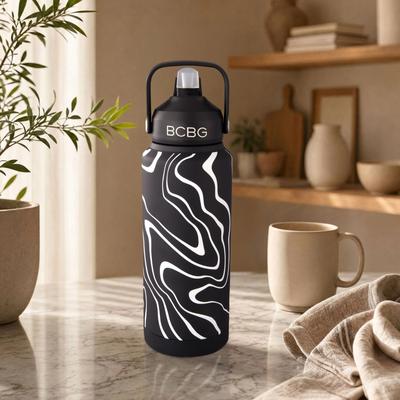
BCBG Signature Sip Hydration Stainless Steel Tumbler with Flip Top Lid and Silicone Boot - 32 ozBring polished style to daily hydration with the BCBG Signature Sip hydration bottle. Its stainless steel body supports everyday use, while the pop-up straw and lid make sipping easy on the go.33,99 $*Shipping: 0,00 $Secure redirect to the provider
-
Juicy Couture Flip & Sip Hydration Stainless Steel Screw Top Tumbler with Flip Straw and Carry HandleEmbrace the signature glamour of Juicy Couture with the Flip & Sip Tumblers. These eye-catching 30oz tumblers perfectly blend high fashion with everyday function.30,55 $*Shipping: 0,00 $Secure redirect to the provider
-
Why is hydration exothermic?
Hydration is exothermic because when water molecules surround and bond with ions or molecules, energy is released in the form of heat. This is because the new bonds formed between the water molecules and the solute are stronger than the original bonds in the solute. As a result, energy is released during the hydration process, making it exothermic. **
-
How much is a sip?
The amount considered to be a sip can vary depending on the context. In general, a sip is a small amount of liquid that can be comfortably consumed in one mouthful. It is typically less than a mouthful and is often used to taste or sample a drink rather than to quench thirst. The size of a sip can also be influenced by cultural norms and personal preferences. **
-
What is physico-chemical hydration weathering?
Physico-chemical hydration weathering is a type of weathering process that occurs when minerals in rocks react with water molecules, leading to the breakdown of the rock. This process involves both physical and chemical changes in the rock structure, as the minerals absorb water and undergo chemical reactions that weaken the rock. Over time, this weathering process can cause the rock to disintegrate and break apart, ultimately leading to the formation of sediment. **
-
What is physical-chemical hydration weathering?
Physical-chemical hydration weathering is a type of weathering process that occurs when minerals in rocks react with water molecules to form new minerals. This process involves both physical and chemical changes, as the minerals absorb water and undergo chemical reactions that weaken the rock structure. Over time, this hydration process can lead to the expansion and eventual breakdown of the rock, contributing to erosion and the formation of sediment. **
Similar search terms for BCBG-Signature-Sip-Hydration
-
Zodax Tidal Sip Glass Tumblers, 3-Piece Assorted SetAdd a touch of whimsical charm to your glassware collection with the Tidal Sip Glass Tumblers. This three-piece assorted set features clear-finish glass adorned with solid color fish decals, creating a playful yet elegant design.63,75 $*Shipping: 0,00 $Secure redirect to the provider
-
BCBG Signature Sip Hydration Stainless Steel Tumbler with Flip Top Lid and Silicone Boot - 32 ozBring polished style to daily hydration with the BCBG Signature Sip hydration bottle. Its stainless steel body supports everyday use, while the pop-up straw and lid make sipping easy on the go.33,99 $*Shipping: 0,00 $Secure redirect to the provider
-
Does sodium have a hydration shell?
Yes, sodium does have a hydration shell. When sodium ions are dissolved in water, the water molecules surround the sodium ions, forming a hydration shell. This occurs because water molecules are polar, with a slightly negative oxygen end and a slightly positive hydrogen end, allowing them to surround and stabilize the charged sodium ions. This hydration shell helps to stabilize the sodium ions in solution and is an important aspect of their behavior in aqueous environments. **
-
What is the meaning of SIP?
SIP stands for Session Initiation Protocol. It is a signaling protocol used for initiating, maintaining, modifying, and terminating real-time sessions that involve video, voice, messaging, and other communications applications and services over the internet. SIP is widely used in Voice over Internet Protocol (VoIP) technology to establish and manage communication sessions between users. It enables features like call forwarding, conference calling, video calls, and instant messaging. **
-
What is lattice energy and hydration energy?
Lattice energy is the energy released when gaseous ions come together to form a solid ionic compound. It is a measure of the strength of the ionic bonds within the crystal lattice structure. Hydration energy, on the other hand, is the energy released when gaseous ions are surrounded by water molecules and form hydrated ions in solution. It is a measure of the strength of the ion-dipole interactions between the ions and water molecules. Both lattice energy and hydration energy play important roles in determining the overall stability and solubility of ionic compounds. **
-
How many milliliters are in a sip?
The volume of a sip can vary depending on the individual, but on average, a sip is approximately 5-10 milliliters. This is equivalent to about a teaspoon or less of liquid. Keep in mind that the exact volume of a sip can differ based on factors such as the size of the person's mouth and how much liquid they choose to take in with each sip. **
* All prices are inclusive of VAT and, if applicable, plus shipping costs. The offer information is based on the details provided by the respective shop and is updated through automated processes. Real-time updates do not occur, so deviations can occur in individual cases. ** Note: Parts of this content were created by AI.