Buy zxa.eu ?
We are moving the project
zxa.eu .
Are you interested in purchasing the domain
zxa.eu ?
domain@kv-gmbh.de · 0541-91531010
Buy zxa.eu ?
Which TV channels can be received at Domaine Long Pré?
At Domaine Long Pré, guests can receive a variety of TV channels, including popular international channels such as CNN, BBC, and Eurosport. Additionally, there are channels available in different languages, catering to the diverse needs of the guests. The wide selection of TV channels ensures that guests can stay updated with news, sports, and entertainment during their stay at Domaine Long Pré. **
What does 'du brunzkache du ogsoachte' mean?
The phrase "du brunzkache du ogsoachte" is in the Bavarian dialect of German and translates to "you're crazy, you're delusional" in English. It is used to express disbelief or to dismiss someone's ideas or actions as irrational or nonsensical. **
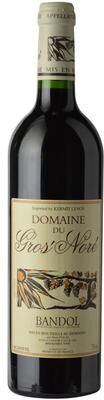

Similar search terms for Domaine-du-Gros-Nore
Top-Angebote
Products related to Domaine-du-Gros-Nore:
-
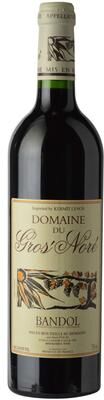
"""Domaine du Gros Nore""" """Domaine du Gros Nore Bandol Rouge 2018 Red Wine - France""""""Domaine du Gros Nore Bandol Rouge is is not packed with jam, but it is jam-packed with goodies. Suffice it to say: classic Bandol flavors, unfiltered. Those who like such flavors—you know if you fit the bill—will be in heaven."""53,99 $*Shipping: 0,00 $Secure redirect to the provider
-
"""Domaine Julien Gros""" """Domaine Julien Gros Savigny-les-Beaune Clos du Village Monopole Rouge 2021 Red Wine - France""""""This wine is of a deep cherry color, garnet-red. The nose offers black and red berries (blackcurrant, raspberry, cherry), as well as flowers (violets). It preserves its fruit, roundness and volume, balance and power in just proportions. Ideally..."65,99 $*Shipping: 0,00 $Secure redirect to the provider
-
"""Domaine Julien Gros""" """Domaine Julien Gros Savigny-les-Beaune Clos du Village Monopole Blanc 2018 White Wine - France""""""This white wine has a golden robe and a floral nose with buttered, brioche accents and grapefruit notes. A mineral wine, it expresses a persistent fatty mouthfeel with a lively attack and lingering finish. Ideally enjoyed with fresh fish."""65,99 $*Shipping: 0,00 $Secure redirect to the provider


-
Do you say "Du backst" or "Du bäckst"?
The correct spelling is "Du backst." The verb "backen" is conjugated as "backst" in the second person singular form. The umlaut on the letter "a" is not used in this conjugation. **
-
Is it said "Du backst" or "Du bäckst"?
The correct form is "Du backst." The verb "backen" means "to bake" in German, and when conjugated for the second person singular (du), it takes the form "backst." The umlaut (ä) in "bäckst" is incorrect in this context. **
-
Does it say "Du hältst" or "Du hältst"?
It says "Du hältst." **
-
Does it say "Du backst" or "Du bäckst"?
It says "Du backst." The verb "backen" (to bake) is conjugated as "backst" in the second person singular form in the present tense. The form "Du bäckst" would be incorrect in standard German. **


Why do we say "du hältst" but not "du setzt" instead "du setzt dich"?
In German, the verb "setzen" typically requires a direct object, so when using it in the second person singular form, it is often accompanied by a reflexive pronoun to indicate that the action is being performed on oneself. This is why we say "du setzt dich" instead of just "du setzt." On the other hand, the verb "halten" does not require a direct object, so it can be used on its own without a reflexive pronoun, resulting in "du hältst." This distinction in usage is a characteristic of the German language and its grammar rules. **
What does "Du weißt nicht, was du willst?" mean?
"Du weißt nicht, was du willst?" is a German phrase that translates to "You don't know what you want?" in English. It is often used to express frustration or confusion towards someone who seems indecisive or unsure about their desires or intentions. The phrase can be used in various contexts, such as in relationships, decision-making, or when someone is being wishy-washy about their choices. **
Top-Angebote
Products related to Domaine-du-Gros-Nore:
-
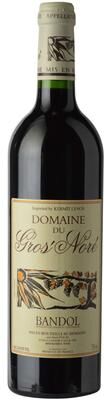
"""Domaine du Gros Nore""" """Domaine du Gros Nore Bandol Rose 2025 Rosé Wine - France""""""Domaine du Gros ’Noré’s Bandol Rosé is all the talk here in Berkeley. Crisp and characterful, and loaded with Provençal complexity, it’s a balanced blend of structured Mourvèdre with equal parts Cinsault, a more delicate variety, and fruit-forward..."36,97 $*Shipping: 0,00 $Secure redirect to the provider
-
"""Domaine du Gros Nore""" """Domaine du Gros Nore Bandol Rouge 2018 Red Wine - France""""""Domaine du Gros Nore Bandol Rouge is is not packed with jam, but it is jam-packed with goodies. Suffice it to say: classic Bandol flavors, unfiltered. Those who like such flavors—you know if you fit the bill—will be in heaven."""53,99 $*Shipping: 0,00 $Secure redirect to the provider
-
Which TV channels can be received at Domaine Long Pré?
At Domaine Long Pré, guests can receive a variety of TV channels, including popular international channels such as CNN, BBC, and Eurosport. Additionally, there are channels available in different languages, catering to the diverse needs of the guests. The wide selection of TV channels ensures that guests can stay updated with news, sports, and entertainment during their stay at Domaine Long Pré. **
-
What does 'du brunzkache du ogsoachte' mean?
The phrase "du brunzkache du ogsoachte" is in the Bavarian dialect of German and translates to "you're crazy, you're delusional" in English. It is used to express disbelief or to dismiss someone's ideas or actions as irrational or nonsensical. **
-
Do you say "Du backst" or "Du bäckst"?
The correct spelling is "Du backst." The verb "backen" is conjugated as "backst" in the second person singular form. The umlaut on the letter "a" is not used in this conjugation. **
-
Is it said "Du backst" or "Du bäckst"?
The correct form is "Du backst." The verb "backen" means "to bake" in German, and when conjugated for the second person singular (du), it takes the form "backst." The umlaut (ä) in "bäckst" is incorrect in this context. **
Similar search terms for Domaine-du-Gros-Nore
-
"""Domaine Julien Gros""" """Domaine Julien Gros Savigny-les-Beaune Clos du Village Monopole Rouge 2021 Red Wine - France""""""This wine is of a deep cherry color, garnet-red. The nose offers black and red berries (blackcurrant, raspberry, cherry), as well as flowers (violets). It preserves its fruit, roundness and volume, balance and power in just proportions. Ideally..."65,99 $*Shipping: 0,00 $Secure redirect to the provider
-
"""Domaine Julien Gros""" """Domaine Julien Gros Savigny-les-Beaune Clos du Village Monopole Blanc 2018 White Wine - France""""""This white wine has a golden robe and a floral nose with buttered, brioche accents and grapefruit notes. A mineral wine, it expresses a persistent fatty mouthfeel with a lively attack and lingering finish. Ideally enjoyed with fresh fish."""65,99 $*Shipping: 0,00 $Secure redirect to the provider
-
"""Domaine Michel Gros""" """Domaine Michel Gros Vosne-Romanee 2023 Red Wine - France""""""Aromatically the wine has predominate notes of delicately aged violets and brambly, nearly damp red fruits. On the palate, the wine introduces a bit of dark berry fruits alongside the red, with fine-grained tannins and uplighting acidity."""118,99 $*Shipping: 0,00 $Secure redirect to the provider
-
"""Domaine Michel Gros""" """Domaine Michel Gros Chambolle-Musigny 2023 Red Wine - France""""""Aromatically the wine has notes of raspberries and cherries, with baking spices and a lingering hint of dried flowers. On the palate, the wine is creamy but still bright with balancing acidity and tannins."""117,99 $*Shipping: 0,00 $Secure redirect to the provider
-
Does it say "Du hältst" or "Du hältst"?
It says "Du hältst." **
-
Does it say "Du backst" or "Du bäckst"?
It says "Du backst." The verb "backen" (to bake) is conjugated as "backst" in the second person singular form in the present tense. The form "Du bäckst" would be incorrect in standard German. **
-
Why do we say "du hältst" but not "du setzt" instead "du setzt dich"?
In German, the verb "setzen" typically requires a direct object, so when using it in the second person singular form, it is often accompanied by a reflexive pronoun to indicate that the action is being performed on oneself. This is why we say "du setzt dich" instead of just "du setzt." On the other hand, the verb "halten" does not require a direct object, so it can be used on its own without a reflexive pronoun, resulting in "du hältst." This distinction in usage is a characteristic of the German language and its grammar rules. **
-
What does "Du weißt nicht, was du willst?" mean?
"Du weißt nicht, was du willst?" is a German phrase that translates to "You don't know what you want?" in English. It is often used to express frustration or confusion towards someone who seems indecisive or unsure about their desires or intentions. The phrase can be used in various contexts, such as in relationships, decision-making, or when someone is being wishy-washy about their choices. **
* All prices are inclusive of VAT and, if applicable, plus shipping costs. The offer information is based on the details provided by the respective shop and is updated through automated processes. Real-time updates do not occur, so deviations can occur in individual cases. ** Note: Parts of this content were created by AI.