Buy zxa.eu ?
We are moving the project
zxa.eu .
Are you interested in purchasing the domain
zxa.eu ?
domain@kv-gmbh.de · 0541-91531010
Buy zxa.eu ?
Can you draw an energy flow diagram for heating oil?
An energy flow diagram for heating oil would typically show the energy inputs required to extract, refine, and transport the oil to the end user. It would also include the energy used in the combustion process to generate heat for heating purposes. The diagram would illustrate the various stages of energy transformation and the losses incurred at each step, highlighting the overall efficiency of using heating oil as an energy source. Additionally, it would show the environmental impacts associated with the extraction, processing, and combustion of heating oil. **
'In crude oil, stored solar energy is contained.'
In crude oil, stored solar energy is contained in the form of organic matter that has been transformed over millions of years through geological processes. This organic matter, such as ancient plants and animals, absorbed sunlight through photosynthesis and stored this energy in their chemical bonds. When crude oil is extracted and refined, this stored solar energy is released in the form of various fuels like gasoline, diesel, and jet fuel, which can be used to power vehicles, generate electricity, and heat homes. Therefore, crude oil can be seen as a reservoir of ancient solar energy that is being utilized in modern society. **


Similar search terms for ENERGY-NE01015-Oil-Can
Top-Angebote
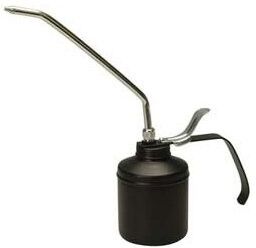
Products related to ENERGY-NE01015-Oil-Can:



-
What does the energy regulation say for oil furnaces?
Energy regulations for oil furnaces vary depending on the region, but generally, they focus on improving energy efficiency and reducing emissions. These regulations may include minimum efficiency standards for new oil furnaces, requirements for regular maintenance and inspections, and guidelines for proper installation. Some regions may also offer incentives or rebates for upgrading to more energy-efficient oil furnaces or switching to alternative heating sources. It is important for oil furnace owners to stay informed about local energy regulations to ensure compliance and maximize energy savings. **
-
What does the energy regulation say about oil furnaces?
The energy regulation for oil furnaces typically includes guidelines on energy efficiency standards, emissions limits, and safety requirements. These regulations aim to ensure that oil furnaces operate efficiently, minimize environmental impact, and protect the health and safety of individuals. Compliance with these regulations is important to promote sustainable energy use and reduce the carbon footprint associated with oil furnace operation. **
-
How are mineral oil companies and energy suppliers taxed?
Mineral oil companies and energy suppliers are typically taxed based on their profits and revenues. They may be subject to corporate income tax, which is a tax on the profits they earn from their operations. Additionally, they may also be subject to specific taxes or royalties on the extraction or production of mineral oil or energy resources. These taxes can vary by country and region, and may be influenced by factors such as the type of energy resource being extracted and the specific tax laws in place. **
-
Which devices convert energy?
Devices such as generators, solar panels, wind turbines, and batteries are examples of devices that convert energy from one form to another. For instance, generators convert mechanical energy into electrical energy, while solar panels convert sunlight into electricity. Wind turbines convert the kinetic energy of the wind into electrical power, and batteries convert chemical energy into electrical energy. These devices play a crucial role in harnessing different forms of energy for various applications. **


How can solar thermal energy be connected to an outdated oil heating system?
Solar thermal energy can be connected to an outdated oil heating system by integrating a solar thermal collector into the existing heating system. The solar thermal collector can be installed on the roof or in a sunny area to capture the sun's energy and convert it into heat. This heat can then be used to supplement the oil heating system, reducing the reliance on oil and lowering energy costs. A heat exchanger can be used to transfer the solar thermal energy into the existing oil heating system, providing a more sustainable and efficient heating solution. **
What are oil, natural gas, and coal as energy sources?
Oil, natural gas, and coal are fossil fuels that are formed from the remains of plants and animals that lived millions of years ago. These energy sources are non-renewable and are extracted from the earth to be used for various purposes, such as generating electricity, heating homes, and powering vehicles. However, the burning of fossil fuels releases carbon dioxide and other greenhouse gases into the atmosphere, contributing to climate change. **
Top-Angebote
Products related to ENERGY-NE01015-Oil-Can:
-
Can you draw an energy flow diagram for heating oil?
An energy flow diagram for heating oil would typically show the energy inputs required to extract, refine, and transport the oil to the end user. It would also include the energy used in the combustion process to generate heat for heating purposes. The diagram would illustrate the various stages of energy transformation and the losses incurred at each step, highlighting the overall efficiency of using heating oil as an energy source. Additionally, it would show the environmental impacts associated with the extraction, processing, and combustion of heating oil. **
-
'In crude oil, stored solar energy is contained.'
In crude oil, stored solar energy is contained in the form of organic matter that has been transformed over millions of years through geological processes. This organic matter, such as ancient plants and animals, absorbed sunlight through photosynthesis and stored this energy in their chemical bonds. When crude oil is extracted and refined, this stored solar energy is released in the form of various fuels like gasoline, diesel, and jet fuel, which can be used to power vehicles, generate electricity, and heat homes. Therefore, crude oil can be seen as a reservoir of ancient solar energy that is being utilized in modern society. **
-
What does the energy regulation say for oil furnaces?
Energy regulations for oil furnaces vary depending on the region, but generally, they focus on improving energy efficiency and reducing emissions. These regulations may include minimum efficiency standards for new oil furnaces, requirements for regular maintenance and inspections, and guidelines for proper installation. Some regions may also offer incentives or rebates for upgrading to more energy-efficient oil furnaces or switching to alternative heating sources. It is important for oil furnace owners to stay informed about local energy regulations to ensure compliance and maximize energy savings. **
-
What does the energy regulation say about oil furnaces?
The energy regulation for oil furnaces typically includes guidelines on energy efficiency standards, emissions limits, and safety requirements. These regulations aim to ensure that oil furnaces operate efficiently, minimize environmental impact, and protect the health and safety of individuals. Compliance with these regulations is important to promote sustainable energy use and reduce the carbon footprint associated with oil furnace operation. **
Similar search terms for ENERGY-NE01015-Oil-Can
-
ENERGY NE00208 Oil filter removal toolNumber of tools: 30; Drive [inch]: 1/2, 3/8; Packaging: Plastic Case; Spanner Size: 66mm/6pt, 65mm/14pt, 65-67mm/14pt, 68mm/14pt, 73mm/14pt, 74mm/15pt, 74-76mm/15pt, 75-77mm/15pt, 76mm/8pt, 76mm/12pt, 76mm/14pt, 76mm/30pt, 78mm/15pt, 80mm/15pt, 80-82mm/15pt, 86mm/16pt, 86mm/18pt, 90mm/15pt, 92mm/10pt, 93mm/15pt, 93mm/36pt, 93mm/45pt, 95mm/15pt, 96mm/18pt, 100mm/15pt, 106mm/15pt, 108mm/15pt, 108mm/18pt46,99 £*Shipping: 8,45 £Secure redirect to the provider
-
ENERGY NE00295 Oil filter removal toolNumber of tools: 9; Drive [inch]: 3/8; Diameter from [mm]: 63; Diameter up to [mm]: 83; Surface: Chromed; Spanner Size: 27 mm, 32 mm, 36 mm, 64.5mm/14pt (x2), 88.8mm/15pt, 74.2mm/14pt, 86.6mm/16pt; Packaging: Plastic Case31,49 £*Shipping: 8,45 £Secure redirect to the provider
-
How are mineral oil companies and energy suppliers taxed?
Mineral oil companies and energy suppliers are typically taxed based on their profits and revenues. They may be subject to corporate income tax, which is a tax on the profits they earn from their operations. Additionally, they may also be subject to specific taxes or royalties on the extraction or production of mineral oil or energy resources. These taxes can vary by country and region, and may be influenced by factors such as the type of energy resource being extracted and the specific tax laws in place. **
-
Which devices convert energy?
Devices such as generators, solar panels, wind turbines, and batteries are examples of devices that convert energy from one form to another. For instance, generators convert mechanical energy into electrical energy, while solar panels convert sunlight into electricity. Wind turbines convert the kinetic energy of the wind into electrical power, and batteries convert chemical energy into electrical energy. These devices play a crucial role in harnessing different forms of energy for various applications. **
-
How can solar thermal energy be connected to an outdated oil heating system?
Solar thermal energy can be connected to an outdated oil heating system by integrating a solar thermal collector into the existing heating system. The solar thermal collector can be installed on the roof or in a sunny area to capture the sun's energy and convert it into heat. This heat can then be used to supplement the oil heating system, reducing the reliance on oil and lowering energy costs. A heat exchanger can be used to transfer the solar thermal energy into the existing oil heating system, providing a more sustainable and efficient heating solution. **
-
What are oil, natural gas, and coal as energy sources?
Oil, natural gas, and coal are fossil fuels that are formed from the remains of plants and animals that lived millions of years ago. These energy sources are non-renewable and are extracted from the earth to be used for various purposes, such as generating electricity, heating homes, and powering vehicles. However, the burning of fossil fuels releases carbon dioxide and other greenhouse gases into the atmosphere, contributing to climate change. **
* All prices are inclusive of VAT and, if applicable, plus shipping costs. The offer information is based on the details provided by the respective shop and is updated through automated processes. Real-time updates do not occur, so deviations can occur in individual cases. ** Note: Parts of this content were created by AI.